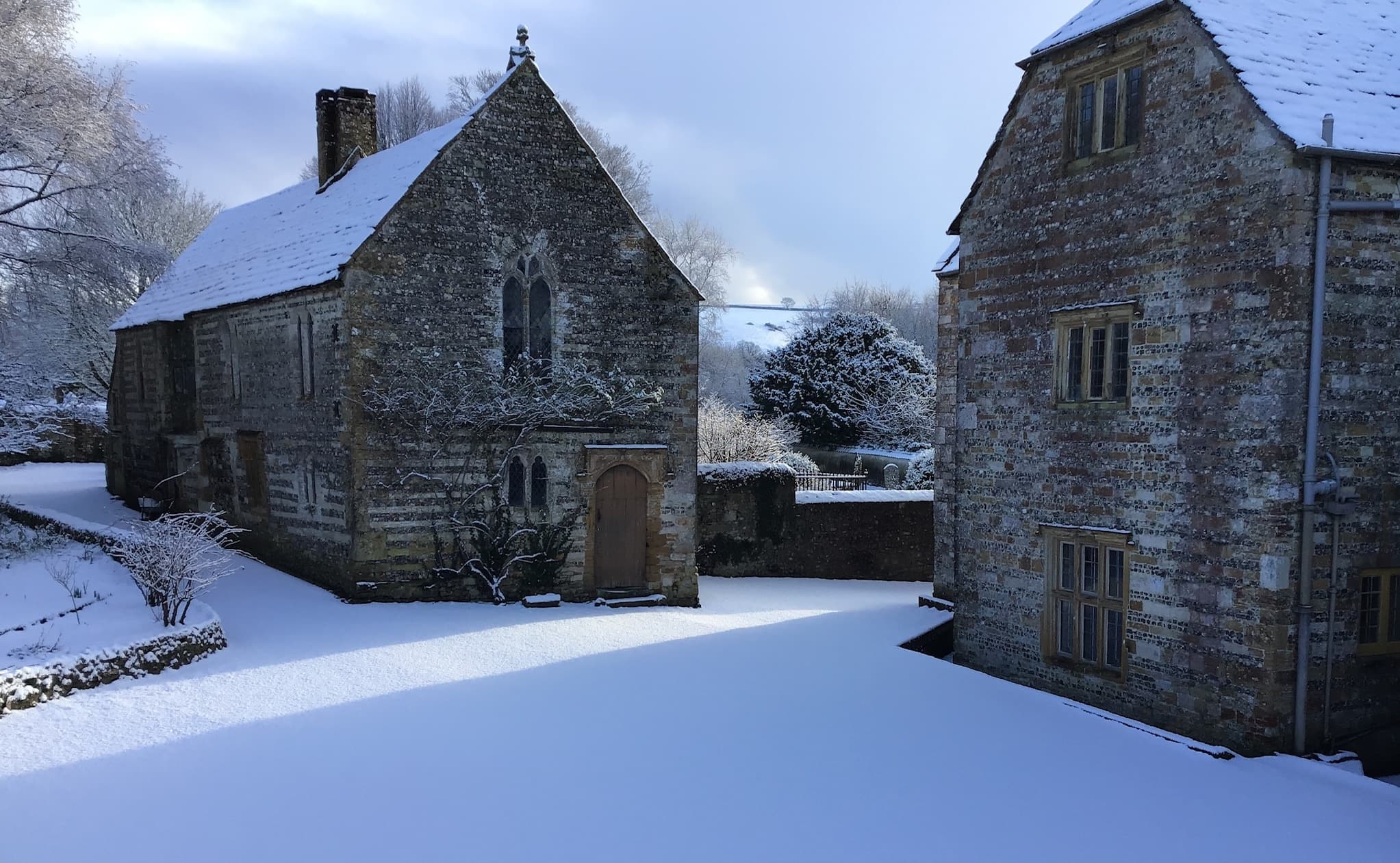
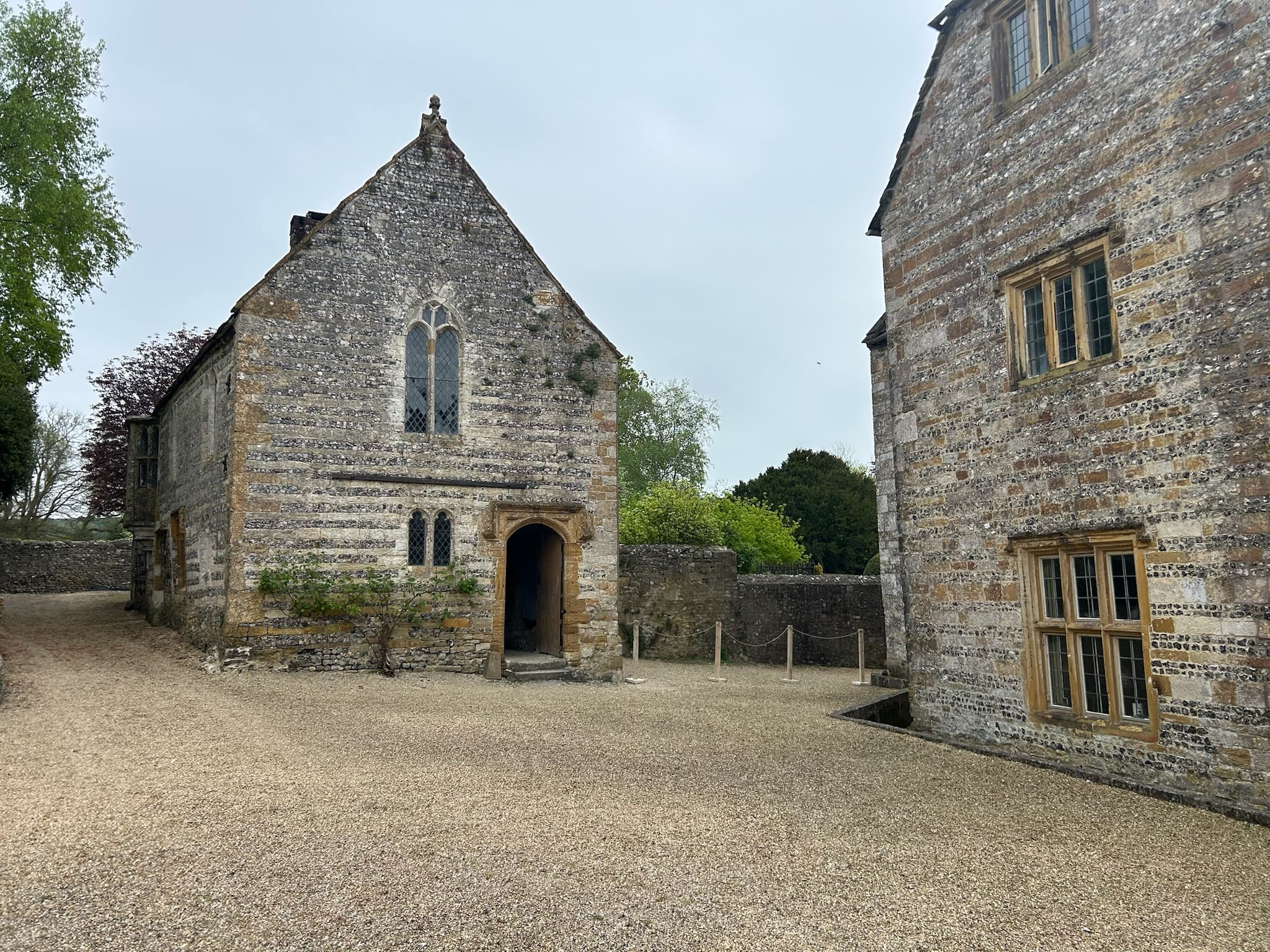
A Rare Surviving 15th-Century Medieval Guest House
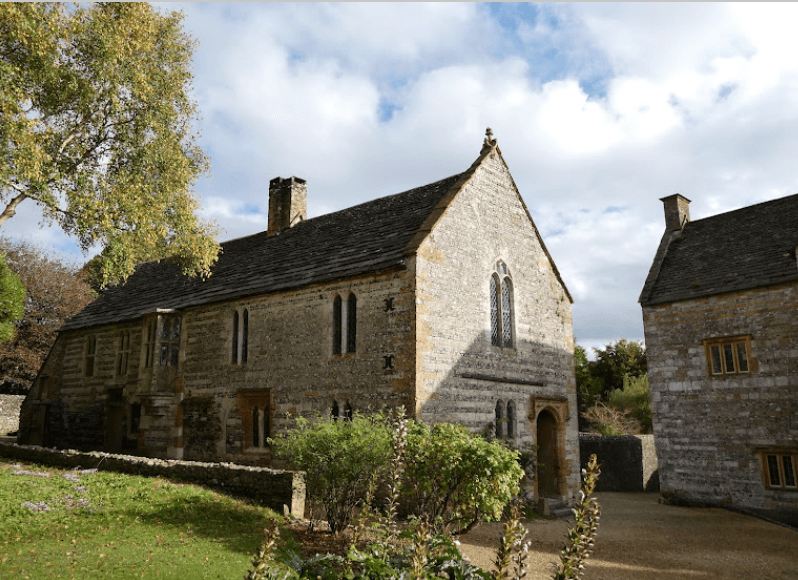
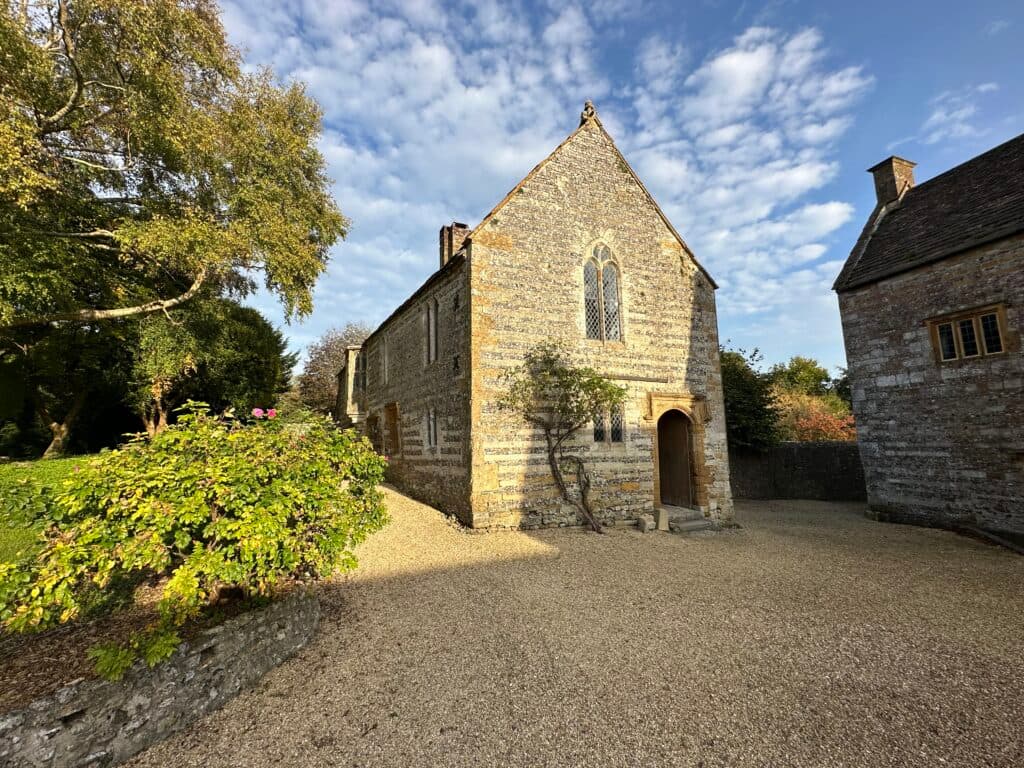
Built between 1458 and 1471 under Abbot John Vanne, the Guest House welcomed pilgrims, merchants and dignitaries travelling to one of Wessex's most important monasteries.
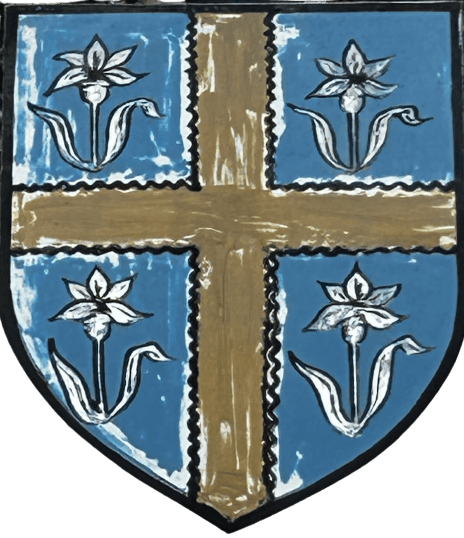
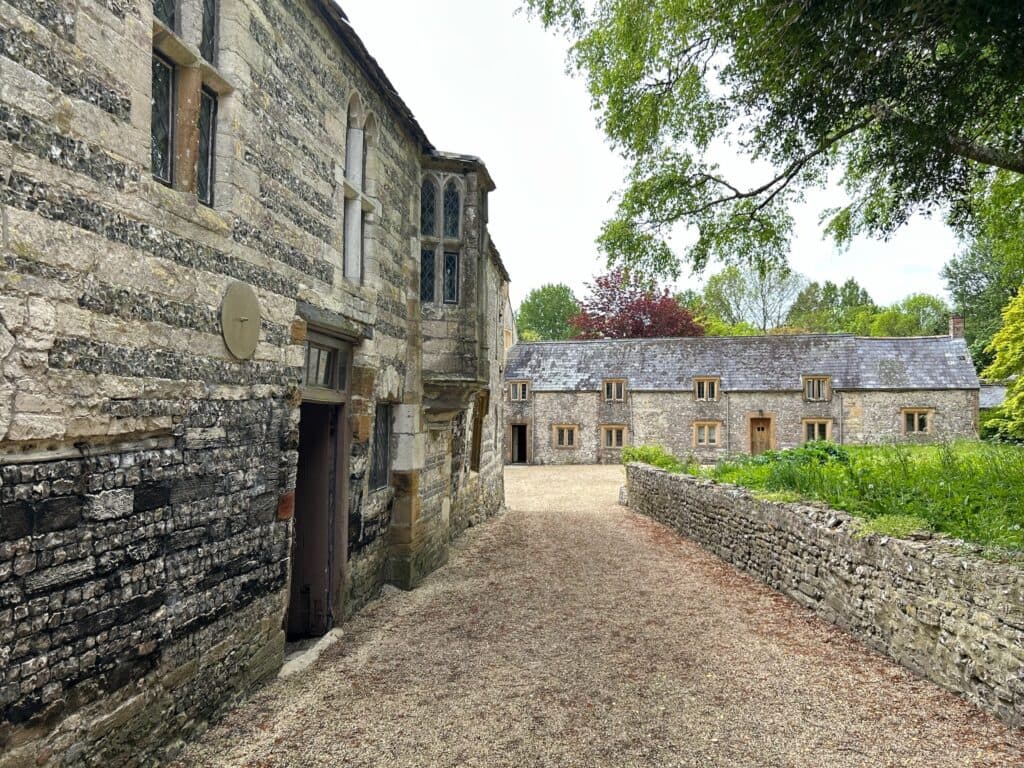
Much of the original structure survives today, including the distinctive oriel window and the original fireplace bearing Abbot Vanne's crest, a vivid link to the abbey's monastic past.
Royal Visits to Cerne Abbey
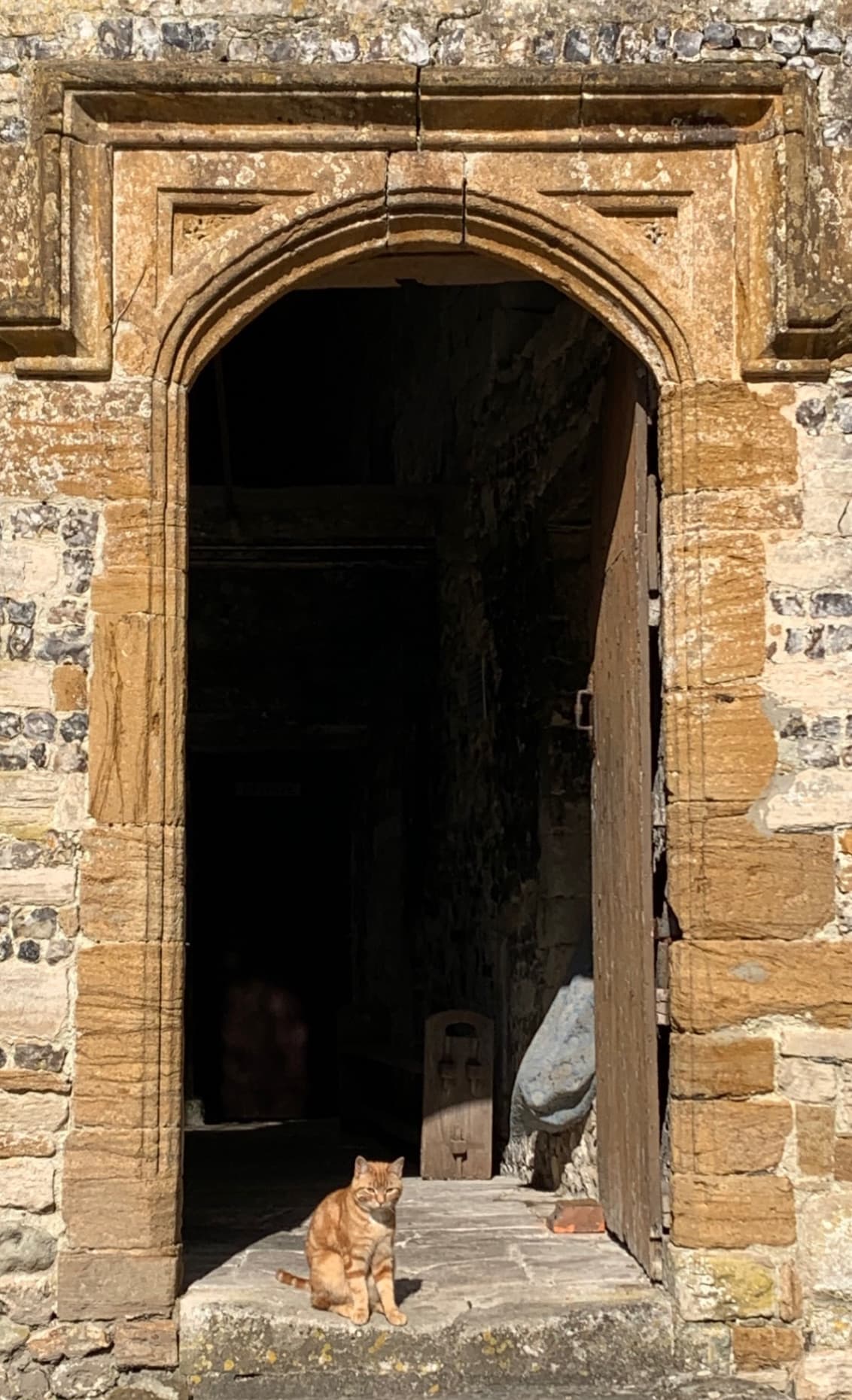
One of the most notable visitors is believed to have been Queen Margaret of Anjou, wife of Henry VI, who came here in 1471 during the Wars of the Roses. Her visit to Cerne Abbey speaks to the importance of the monastery as a place of refuge and hospitality during one of England's most turbulent periods.
Guest houses were central to monastic life, providing essential accommodation for travellers and important guests. The Benedictine Rule, which governed life at Cerne Abbey, placed great emphasis on hospitality, and the Guest House is a physical expression of that tradition, designed to welcome and shelter those passing through.
The Guest House forms part of Cerne Abbey's wider history as a Grade I listed historic estate. Its survival is exceptional, as very few comparable monastic guest houses from the 15th century remain standing in England, and it is a significant contribution to our understanding of medieval monastic architecture and daily life.
The estate has also been home to several Dorset Lord Lieutenants over the centuries, and the Guest House has witnessed remarkable continuity from its monastic origins through to the present day.
Key Features
Oriel window
A distinctive architectural feature of the surviving building.
Abbot Vanne's fireplace
The original fireplace bearing Abbot Vanne's crest, now in the main house.
15th-century construction
Built between 1458 and 1471 by Abbot John Vanne.
Private tour access
Included as part of private guided tours of Cerne Abbey.
Seeing the Guest House Today
The Guest House stands within the grounds of Cerne Abbey. Both of its rooms are open to all visitors as part of a general visit, including the distinctive oriel window.
On a private guided tour there is time to look more closely at the surviving fifteenth-century fabric and to hear how the building served the monastery, alongside the Abbot's Porch and the other surviving parts of the abbey. Abbot Vanne's original fireplace, carved with his crest, now sits in the main house.
The Guest House: FAQs
When was the Guest House at Cerne Abbey built?
The Guest House was built between 1458 and 1471, under Abbot John Vanne. It is one of England's few surviving medieval monastic guest houses.
Can I see inside the Guest House?
Yes. Both rooms of the Guest House are open to all visitors as part of a general visit to Cerne Abbey, including the oriel window. Private guided tours add further context and access to other parts of the estate.
What is special about the Guest House?
It is a rare surviving 15th-century monastic guest house, keeping its distinctive oriel window. Abbot Vanne's original fireplace, carved with his crest, survives and now sits in the main house.
Who stayed at the Guest House?
It welcomed pilgrims, merchants and dignitaries travelling to the monastery. Queen Margaret of Anjou, wife of Henry VI, is believed to have stayed in 1471 during the Wars of the Roses.